

All case studies
BA Learn
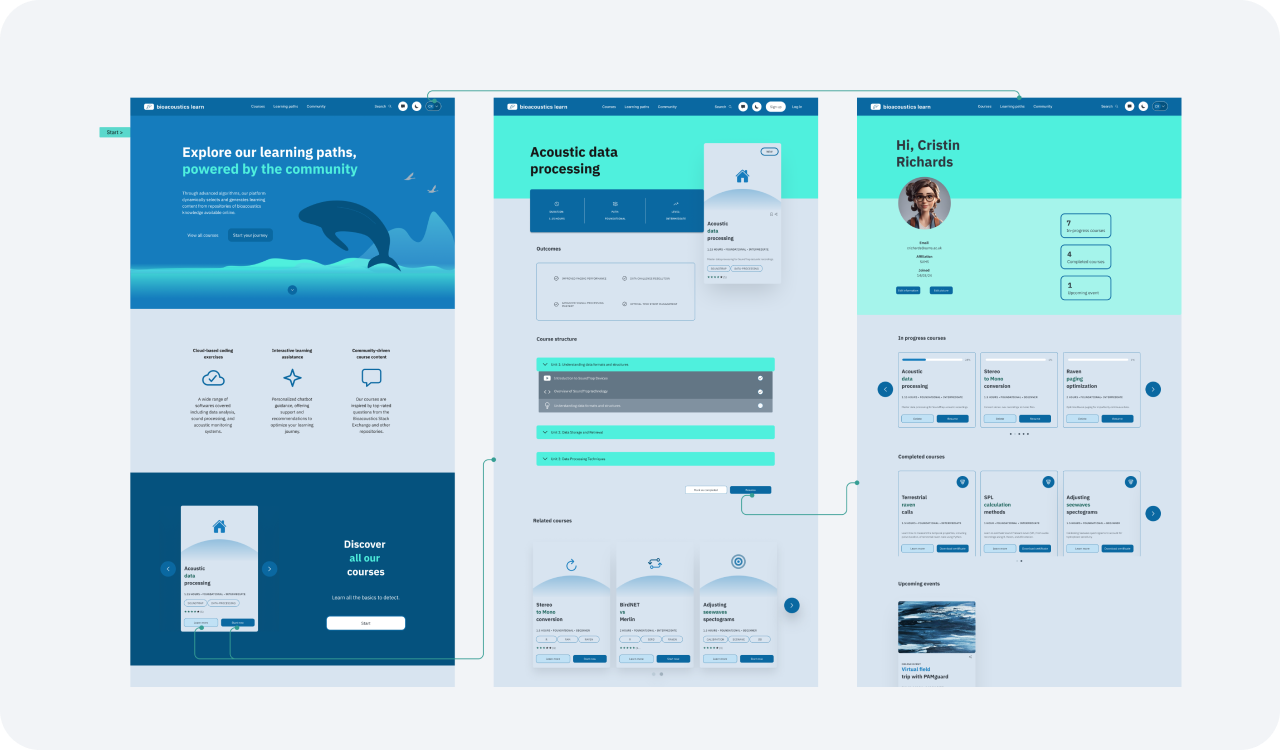
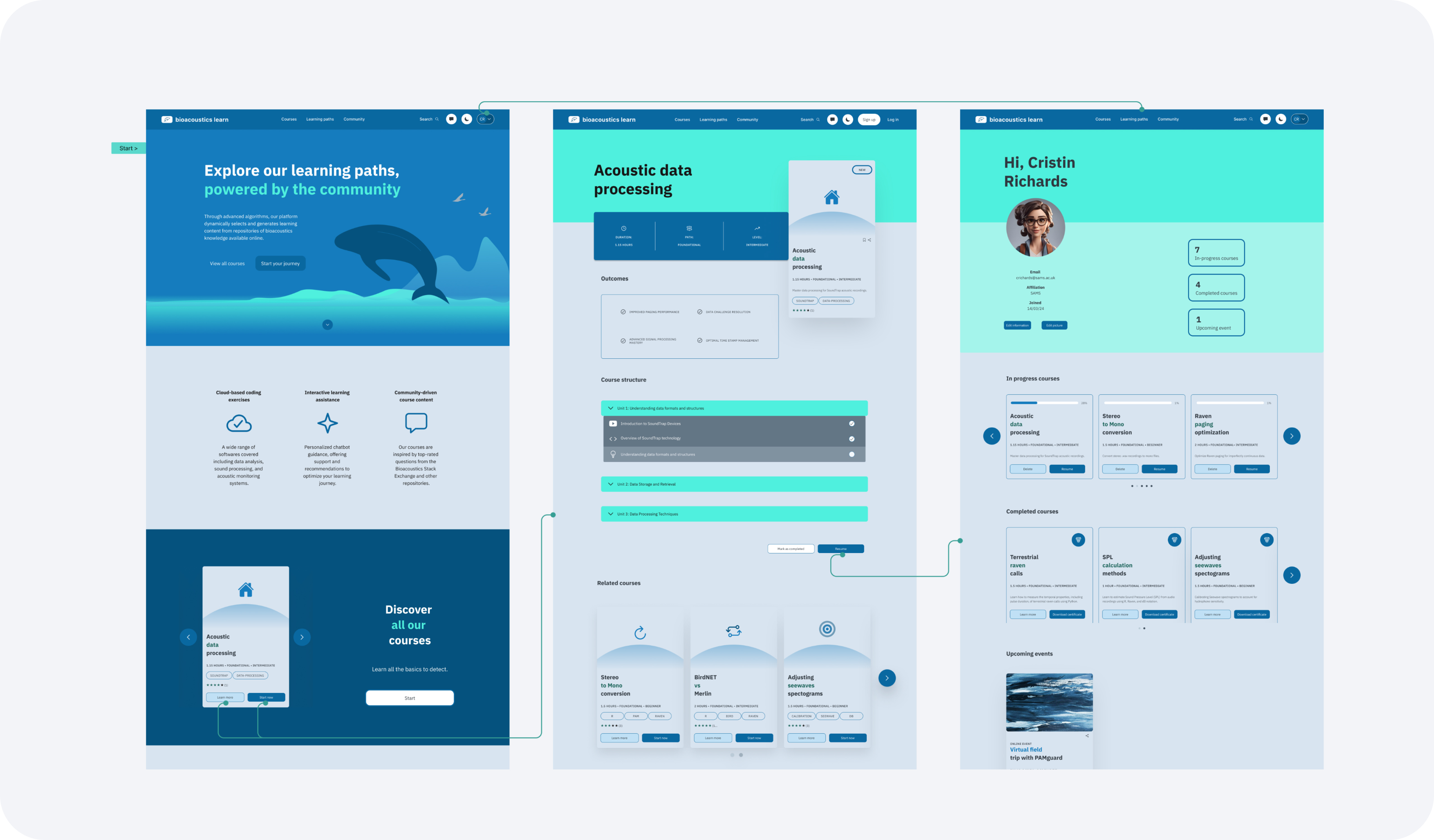
Bioacoustics Learn is a generative educational platform designed to simplify acoustic data analysis through a user-centred, research-intensive approach.
Client:
Independent Research (MA UXD)
Role:
Lead Researcher, UX Designer
Date:
April–July 2024
Preview
“This platform really lowers the barrier for getting started with acoustic analysis tools. The interface feels much more approachable compared to what we’re used to.”
— Bioacoustics Researcher, Walkthrough Interview
“The blend of UX structure and scientific rigour here is excellent. Bioacoustics Learn succeeds in translating complex workflows into clear, validated user pathways—helping learners not just navigate but grow with the tools they use.”
— Jason Haritou, UX Design Lecturer, Falmouth University
Key Contributions
- Evidence-Led Interaction Design: Synthesised insights from 8 in-depth interviews, 21 survey responses, and a series of walkthrough interviews conducted before usability testing to inform UX decisions that enhanced clarity, discoverability, and progression in complex learning environments.
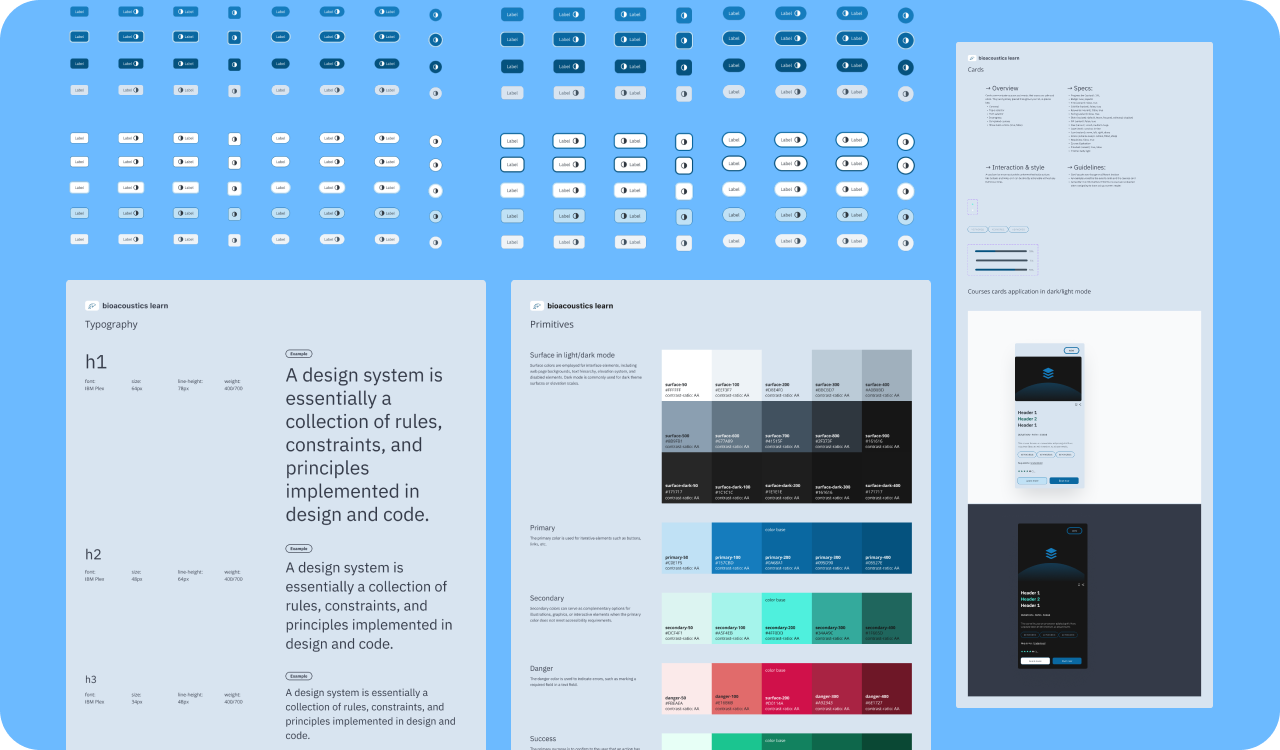
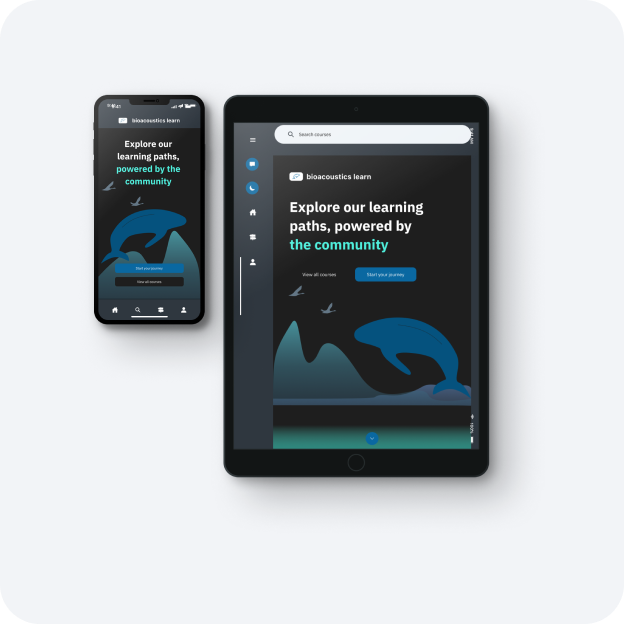
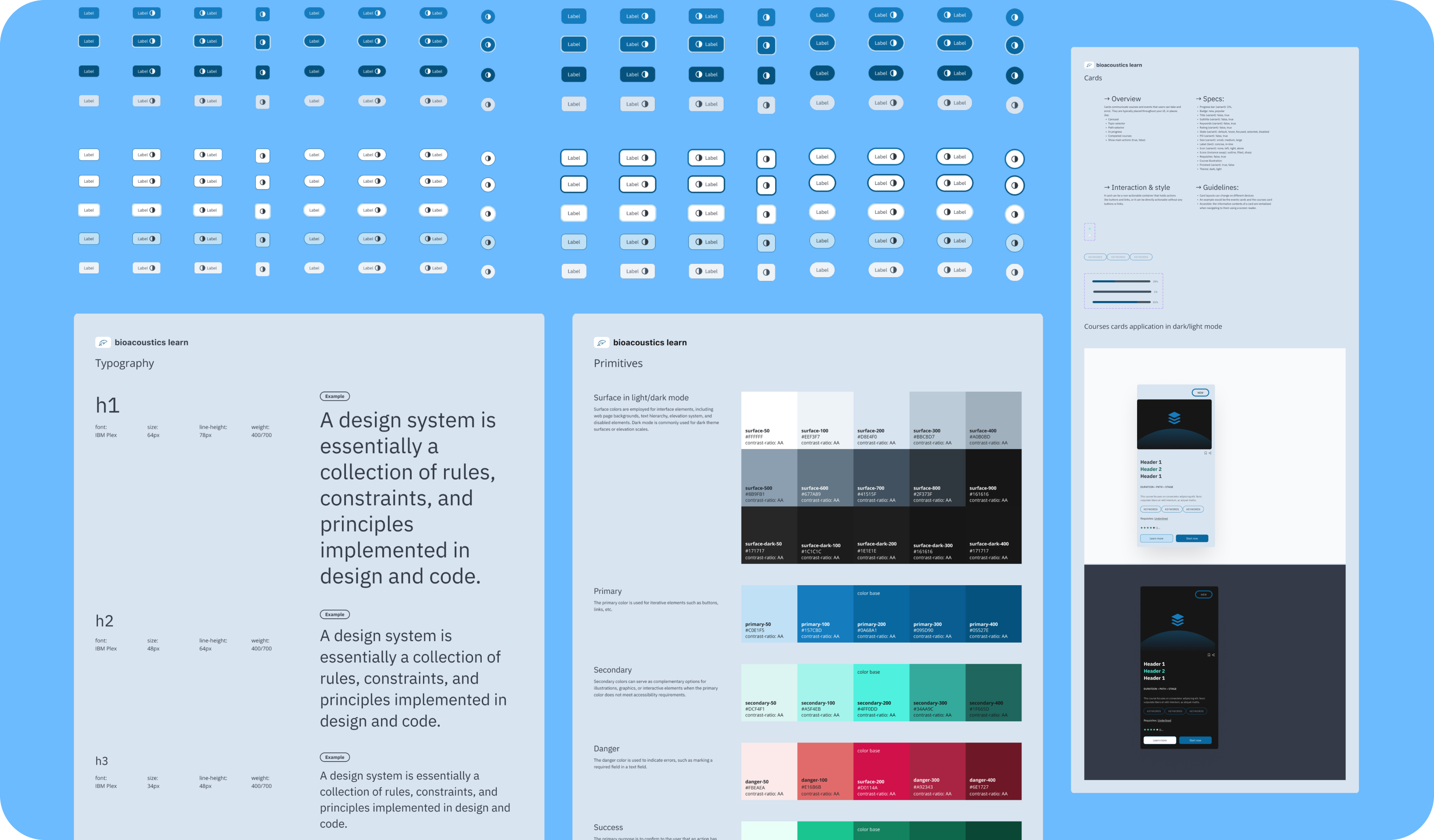
- Accessibility-Focused Design System: Created a scalable design system with over 700 components, adhering to WCAG standards and responsive across three device breakpoints. Iterative prototyping and feedback loops resulted in a 40% improvement in task success rates.
- Engagement Through Gamification: Integrated progress tracking, quizzes, and achievement rewards into the learning journey, which increased user retention by 40% according to Maze-based testing and post-test surveys.
- Cross-Disciplinary Research Application: Mapped cognitive and behavioural learning models to interface decisions, guided by the review of 15 academic papers and validated by bioacoustics experts and lecturers.
All Case Studies


Connect
Let’s create your next big idea.
Get in touch


© 2025 Sofía Orellano


BA Learn
Bioacoustics Learn is a generative educational platform designed to simplify acoustic data analysis through a user-centred, research-intensive approach.
Client:
Independent Research Project (MA UXD)
Role:
Lead Researcher, UX Designer
Date:
April–July 2024
Preview
“This platform really lowers the barrier for getting started with acoustic analysis tools. The interface feels much more approachable compared to what we’re used to.”
— Bioacoustics Researcher, Walkthrough Interview
“The blend of UX structure and scientific rigour here is excellent. Bioacoustics Learn succeeds in translating complex workflows into clear, validated user pathways—helping learners not just navigate but grow with the tools they use.
— Jason Haritou, UX Design Lecturer, Falmouth University
Key Contributions
- Evidence-Led Interaction Design: Synthesised insights from 8 in-depth interviews, 21 survey responses, and a series of walkthrough interviews conducted before usability testing to inform UX decisions that enhanced clarity, discoverability, and progression in complex learning environments.
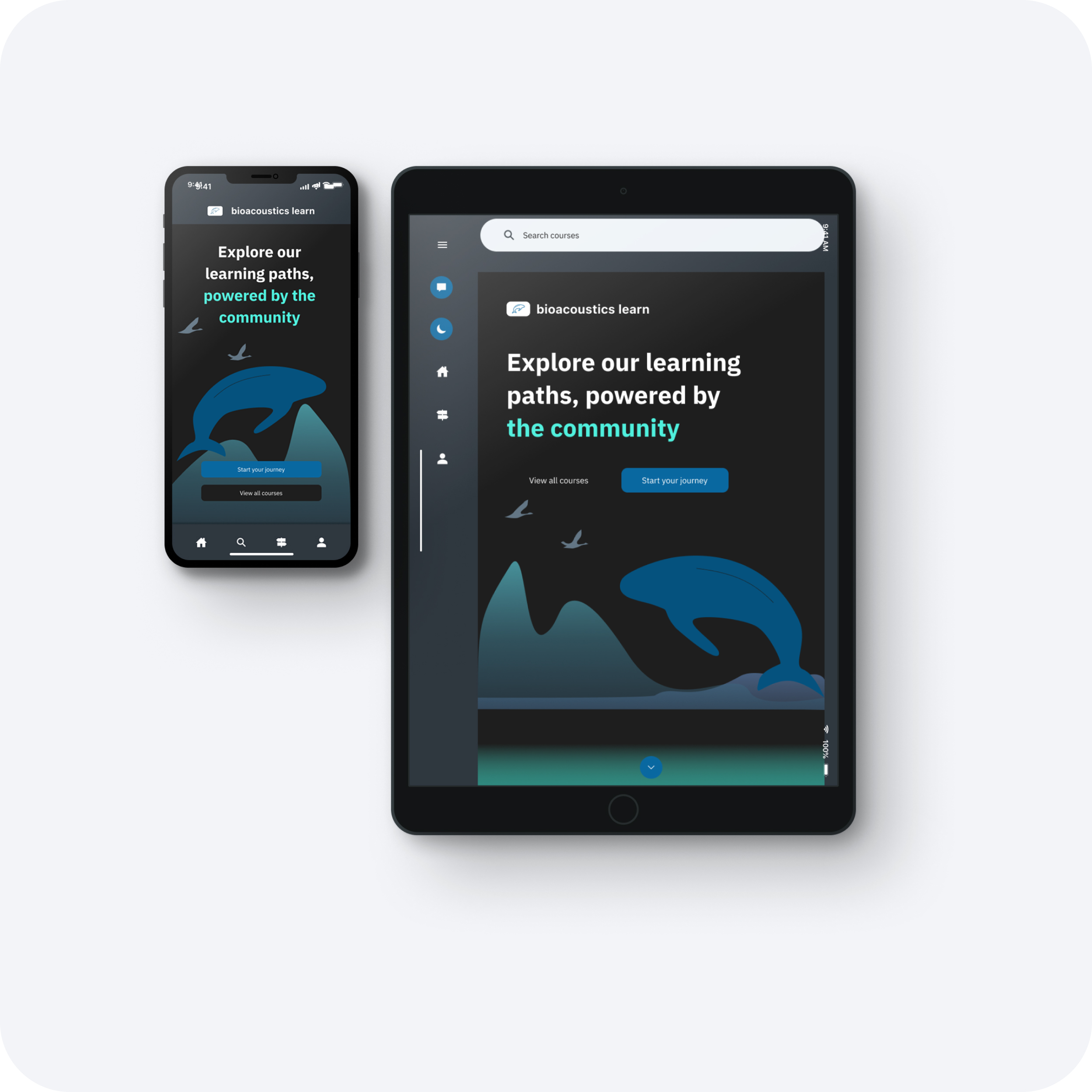
- Accessibility-Focused Design System: Created a scalable design system with over 700 components, adhering to WCAG standards and responsive across three device breakpoints. Iterative prototyping and feedback loops resulted in a 40% improvement in task success rates.
- Tokenized Design System Integration: Structured a scalable and maintainable token system using Figma Variables and Tokens Studio, seamlessly integrated into Zeroheight. Enabled real-time visualization and consistency across color, spacing, and radius tokens—bridging design and development through automatic code mappings.
- Governance & Atomic Documentation: Established clear governance rules and documentation directly in Figma and Zeroheight using atomic design principles. This ensured scalable UI decisions across teams, with guidelines on naming conventions, component usage, and accessibility standards.
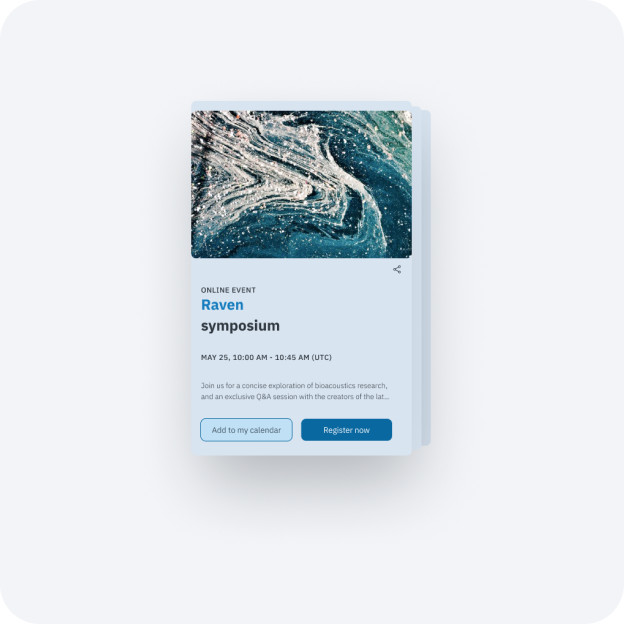
- Engagement Through Gamification: Integrated progress tracking, quizzes, and achievement rewards into the learning journey, which increased user retention by 40% according to Maze-based testing and post-test surveys.
- Cross-Disciplinary Research Application: Mapped cognitive and behavioural learning models to interface decisions, guided by the review of 15 academic papers and validated by bioacoustics experts and lecturers.
All Case Studies


Connect
Let’s create your next big idea.
Get in touch
© 2025 Sofía Orellano
